What Is EMDR Therapy?
What Is EMDR Therapy?
EMDR (Eye Movement Desensitization and Reprocessing) is a trauma-focused therapy designed to help distressing memories become less emotionally and physically activating.
The short answer
Instead of only talking about what happened, EMDR works directly with a memory and the thoughts, emotions and body sensations connected to it while using bilateral stimulation, such as guided eye movements or alternating taps.
The memory isn’t erased.
You still know what happened.
The goal is for the memory to feel more like something that happened in the past instead of something your system is still reacting to now.
EMDR works with more than the story.
During EMDR, a therapist may ask you to briefly notice parts of an experience, such as:
- the memory or image
- what you believe about yourself
- emotions connected to it
- sensations in your body
Bilateral stimulation is then used while the memory is being processed.
You do not need to describe every detail of the memory out loud for EMDR to take place.
EMDR follows a structured treatment protocol that includes history-taking, preparation, assessment, processing and reevaluation. It is not simply moving your eyes while thinking about something difficult.
The evidence for EMDR.
EMDR has been studied extensively as a treatment for PTSD.
A systematic review and individual-participant-data meta-analysis found that EMDR reduced PTSD symptoms. The analysis did not find EMDR significantly different from the other psychological therapies included in the comparison.
So EMDR is an evidence-based option for PTSD, but it isn’t automatically the right treatment for every person.
Flow’s perspective
How Flow looks at EMDR.
We don’t treat EMDR as a technique that should be used the same way with everyone.
Before processing, we look at what you are experiencing, your history, your ability to stay present and anything that could affect how the work needs to be paced.
Flow’s approach
How Flow uses EMDR.
We use EMDR when it fits the problem we’re trying to change.
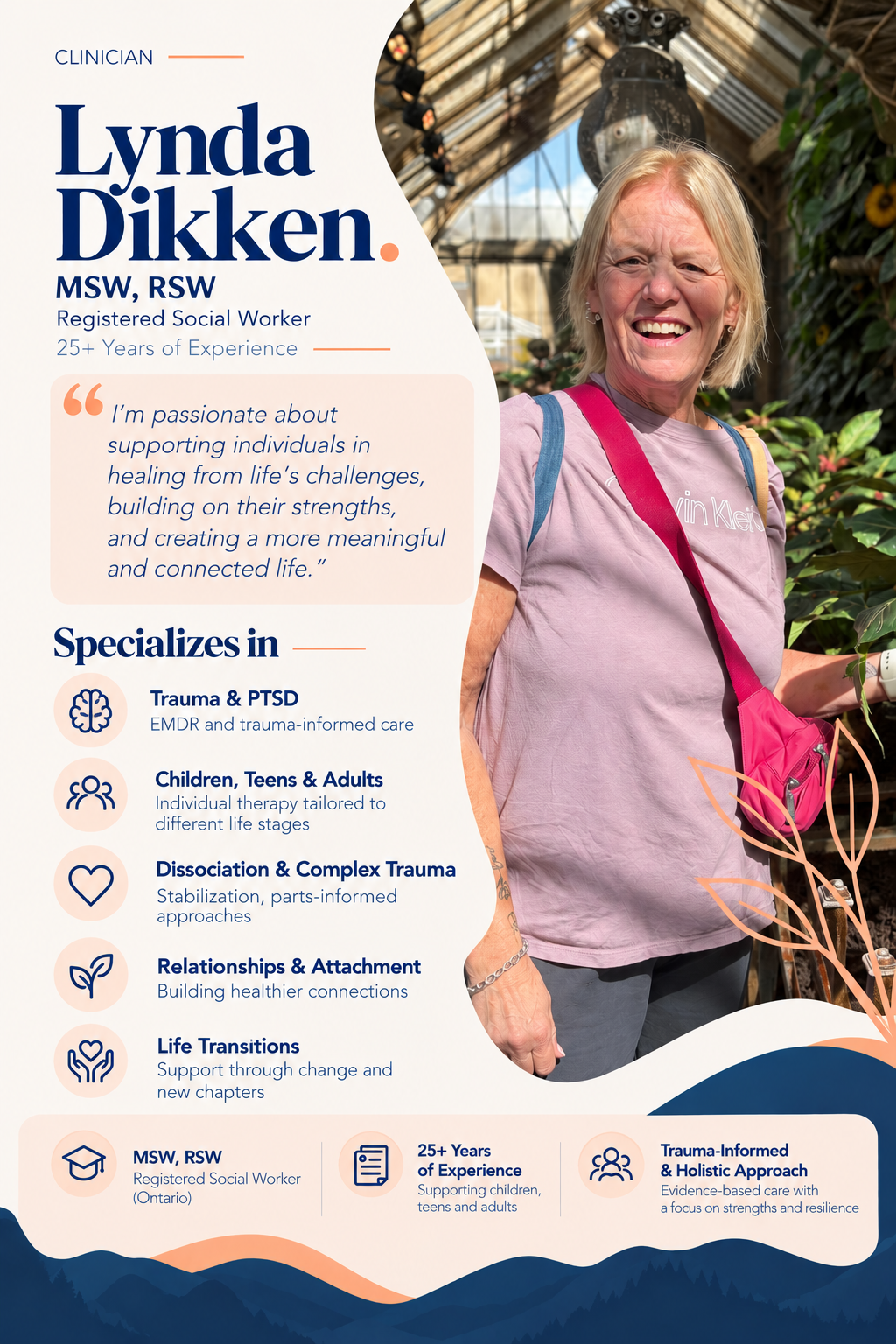
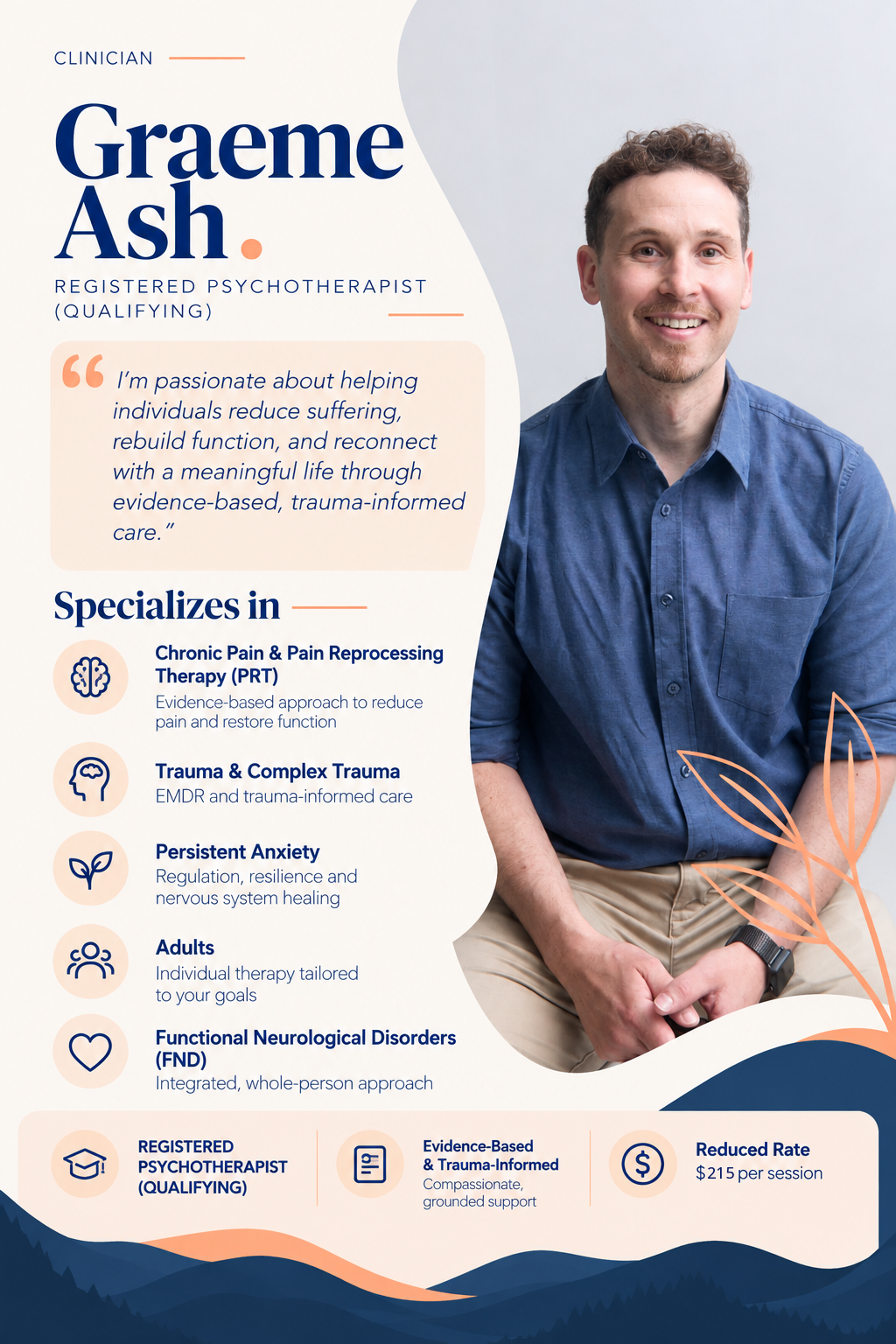
For some people, that may mean working with a specific traumatic memory. For others, treatment may need more preparation or integration with parts-informed or dissociation-informed work.
The goal isn’t simply to complete EMDR.
It’s for the experiences you’re carrying to have less power over what happens in your life now.
For verified contributors
Add your perspective to this answer.
If you’re a registered clinician, you can contribute your perspective on “What Is EMDR Therapy?”. Every contribution is reviewed before it appears on this page, with your name linked to your verified profile.
Loading contributor details…